


ByBeline
The Great Political Realignment: Essa Faal, Mamma Kandeh and Professor Sidat Yaffa’s Moves Toward the NPP
Share your love
By: Momodou Krubally
The Gambia’s 2026 political season is increasingly being defined by alliances, defections and political realignments. With the December 5 presidential election approaching, several figures who previously positioned themselves outside President Adama Barrow’s political camp have now entered into cooperation with the ruling National People’s Party (NPP).
Among the most significant developments are the political realignments involving Essa Mbye Faal, Mamma Kandeh and Professor Sidat Yaffa. These developments are occurring alongside internal reactions within the parties and movements involved, raising broader questions about political alliances, principles, electoral strategy and the future direction of Gambian politics.
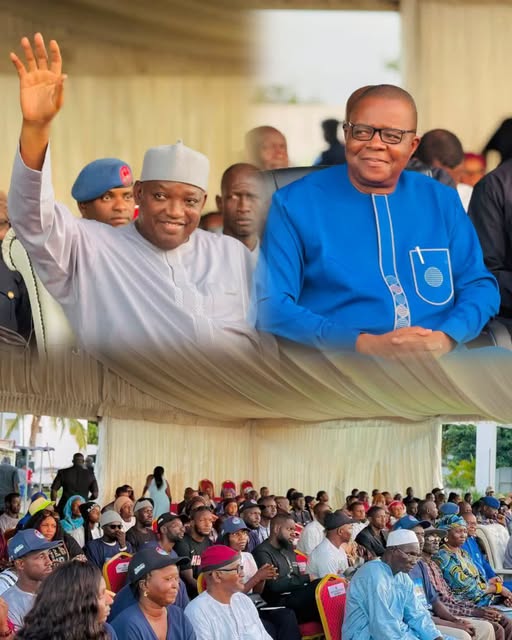
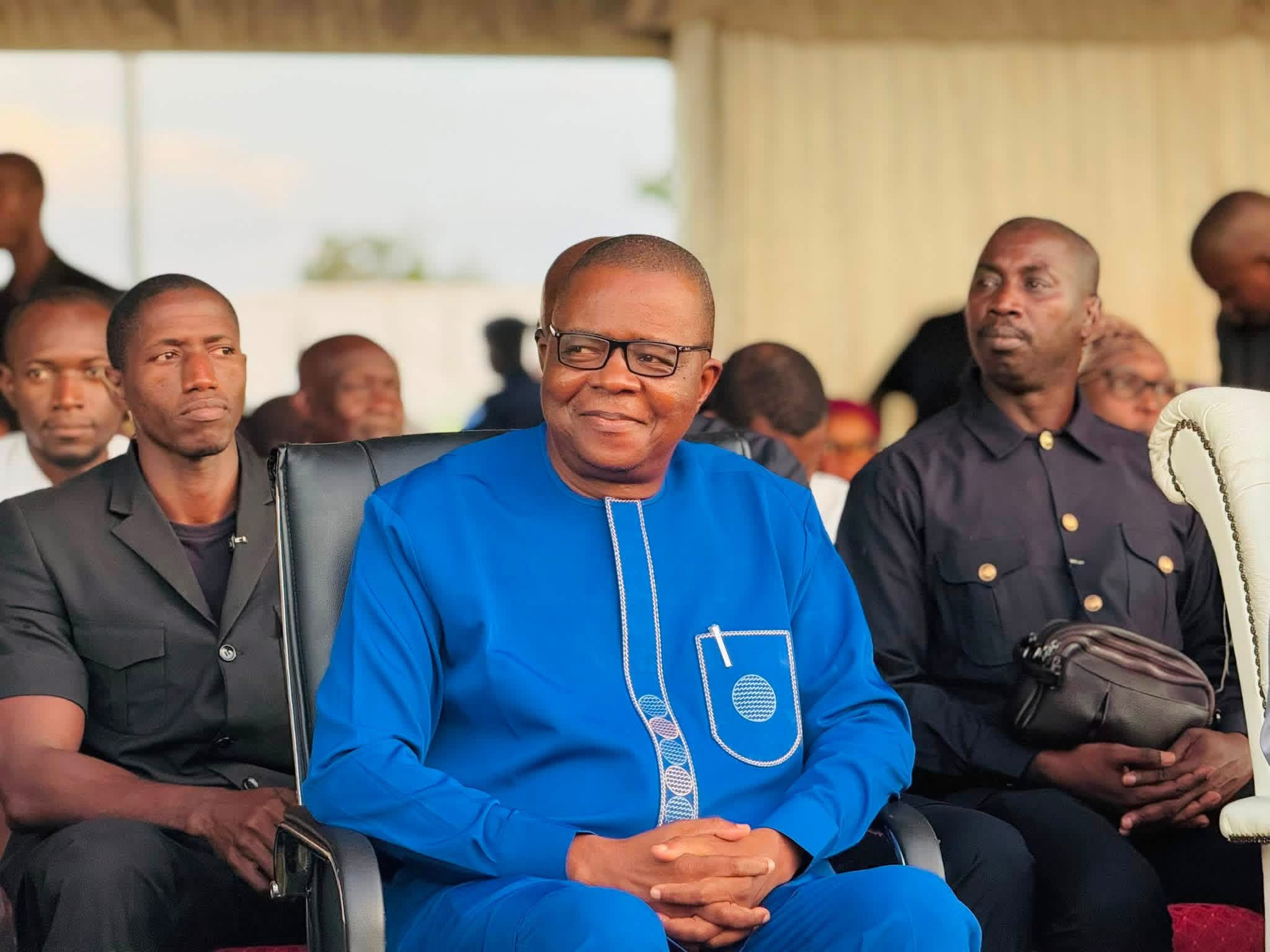
ESSA FAAL: FROM CRITIC TO ALLIANCE PARTNER
Perhaps the most striking development has been the decision of Essa Mbye Faal, leader of APP-Sobeyaa, to enter into an alliance with President Adama Barrow and the NPP.
Faal was previously one of the prominent critics of the Barrow administration and contested the 2021 presidential election. His decision therefore represents a significant change in political positioning.
APP-Sobeyaa announced in September that it had concluded an agreement with the governing NPP, saying the arrangement was intended to contribute its principles and values to national development. (The Standard Newspaper | Gambia)
The alliance was formally sealed at State House on September 27, 2026. Faal subsequently defended the agreement, saying it was based on areas of policy and institutional reform where the two sides had found common ground. Among the issues he identified were constitutional reform, implementation of outstanding Truth, Reconciliation and Reparations Commission recommendations, operationalisation of the Anti-Corruption Commission, agriculture and food security. (Jollof News)
Faal has also rejected suggestions that his decision was motivated by financial rewards or political positions. He has presented the agreement as an attempt to secure commitments on issues he previously campaigned about.
Whatever interpretation individual Gambians may attach to the decision, politically it marks a major shift: a former presidential challenger and outspoken government critic is now working within an alliance supporting the incumbent.
MAMMA KANDEH: FROM OPPOSITION TO COOPERATION
The political journey of Mamma Kandeh presents another important chapter in this realignment.
Kandeh, the leader of the Gambia Democratic Congress (GDC), had previously competed against Barrow at the presidential level and remained one of the established figures outside the governing camp.
In July 2026, Kandeh confirmed that the GDC was entering an alliance with the NPP. Importantly, he stressed that the GDC was allying with the NPP rather than becoming the NPP, meaning the GDC would retain its own political identity. (Gambia Journal)
The development followed months of political discussions and speculation. Earlier reporting indicated that the two sides had been negotiating an arrangement ahead of the presidential election. (The Standard Newspaper | Gambia)
The GDC-NPP arrangement has nevertheless not been without internal debate. In September, GDC Administrative Secretary Ebrima Nyang resigned, citing concerns that the alliance could undermine the principle of presidential term limits. The GDC accepted his resignation while describing him as a loyal and diligent member of the party. (The Standard Newspaper | Gambia)
This episode illustrates an important feature of political alliances: a decision made by a party leadership can generate different interpretations among members and supporters.
For Kandeh and the GDC, the alliance represents cooperation with a governing party while maintaining their own political identity. For some party members, however, the arrangement has raised questions about political principles and the direction of the party.
PROFESSOR SIDAT YAFFA: ANOTHER MOVEMENT TOWARD THE NPP
Another significant development is the political repositioning of Professor Sidat Yaffa.
Professor Yaffa entered active politics in 2026 after a long academic career at the University of The Gambia. He launched the Gambia Movement and initially positioned the movement as an independent political force seeking to contest the 2026 presidential election. (Gambia Journal)
His movement later became part of Coalition 2026, an opposition grouping that brought together several political parties and movements behind Talib Ahmed Bensouda as its flagbearer. (The Standard Newspaper | Gambia)
However, in September 2026, the Gambia Movement for Progress announced its withdrawal from Coalition 2026. Reports stated that the movement was preparing to sign an agreement with the NPP.
Professor Yaffa subsequently clarified that he did not consider the development a simple decision to “join” the NPP, but rather an alliance between his movement and the governing party. The distinction is politically important because it suggests that the movement intends to retain an identity separate from the NPP. (The Standard Newspaper | Gambia)
The development means that a political movement that had recently been associated with an opposition coalition is now moving toward cooperation with the governing party.
WHAT DOES THIS MEAN FOR GAMBIAN POLITICS?
Taken together, these developments demonstrate how quickly political alignments can change during an election cycle.
Essa Faal moved from being a presidential challenger and critic of the administration to an alliance partner of President Barrow.
Mamma Kandeh’s GDC entered into an alliance with the NPP while maintaining that it remained a distinct political entity.
Professor Sidat Yaffa’s movement, after participating in Coalition 2026, subsequently moved toward an alliance with the NPP.
These are different political journeys, but they share one common feature: the traditional distinction between governing and opposition forces has become more fluid as the 2026 election approaches.
The developments also demonstrate that alliances are not simply agreements between political leaders. They can affect party structures, supporters, campaign strategies and the political calculations of other parties.
THE QUESTION OF PRINCIPLES AND POLITICAL REALISM
The current realignment has also reopened an old debate in Gambian politics: should political parties remain strictly within their traditional political camps, or should they cooperate when they believe an alliance can advance their objectives?
Supporters of these alliances can point to cooperation, policy commitments and the possibility of bringing different political constituencies together.
Critics, meanwhile, can question whether political alliances are consistent with previously stated positions, campaign promises and principles.
The resignation of Ebrima Nyang from the GDC provides a concrete example of this tension. His stated concern was that the GDC-NPP alliance could conflict with his understanding of presidential term limits. The GDC, however, respected his decision and maintained its own position. (The Standard Newspaper | Gambia)
This suggests that the debate surrounding the alliances is not only about personalities. It is also about what political parties and movements believe they stand for and how far they can compromise in pursuit of broader political objectives.
A NEW POLITICAL MAP
The 2026 election is therefore producing a political map that is different from the one many Gambians were familiar with at the beginning of the year.
The NPP-led alliance has attracted former presidential challengers and political movements that previously operated outside the governing camp. At the same time, Coalition 2026 remains a separate opposition grouping, while other political forces continue to chart their own paths toward the election.
The significance of these developments will ultimately depend on how voters interpret them and how the various political organisations translate their agreements into concrete policies, campaign structures and commitments.
What is already clear, however, is that Gambian politics has entered a period of substantial realignment.
The movements of Essa Faal, Mamma Kandeh and Professor Sidat Yaffa show that political alliances are no longer as predictable as they once appeared. Their decisions have created new partnerships, generated internal debates and changed the configuration of the political field ahead of December.
As the election approaches, the central issue for Gambian politics may therefore be less about who was previously on which side and more about what these new alliances mean, what commitments they contain, and how those commitments will be judged by Gambian voters at the ballot box.